Bathroom Cleaning: A Surface-by-Surface Order and Product Checklist
Choose suitable products, separate cleaning from disinfecting, and plan an order that avoids redoing finished surfaces.
THE FORTUNELEAF JOURNAL
What to spend, where the time goes, what needs care.
Useful details for the small decisions that fill a day.
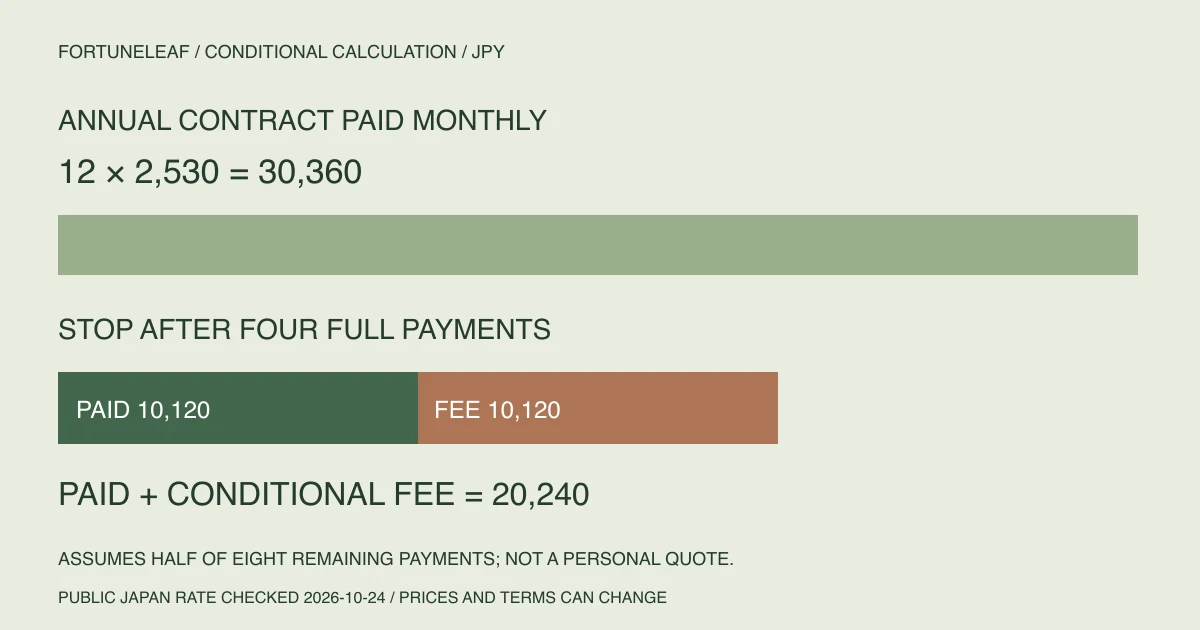
We read four official price pages, changed a public billing selector and separated observed terms from assumptions. The result is a method for comparing cash obligations, not a ranking of unrelated services.
Read the story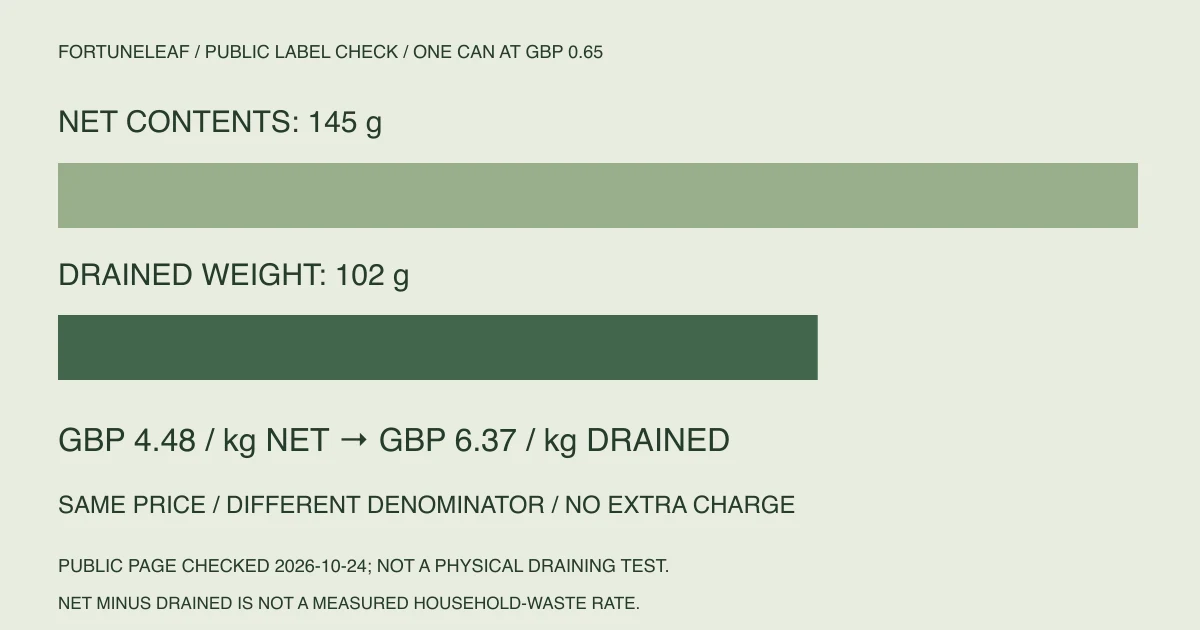
We checked ten product pages and recalculated their unit rates. Net contents, drained weight, pack count and prepared food are different denominators; a lower number is not always a comparable price.
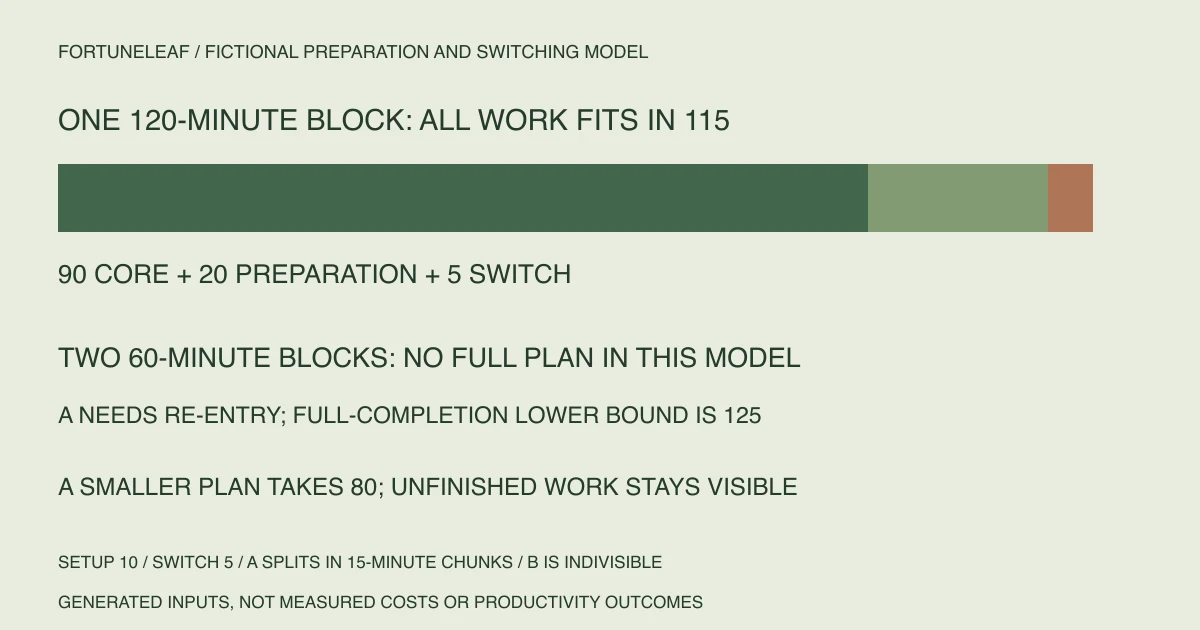
A continuous two-hour block and two separate hours can support different work. We calculate repeated preparation, test the declared allocations and keep reduced tasks and unfinished work separate.
Choose suitable products, separate cleaning from disinfecting, and plan an order that avoids redoing finished surfaces.
Check your workstation, vary your position and prepare a useful symptom record. Separates ordinary adjustments from symptoms that need medical help.
Choose observable evidence, test a manageable exercise and adapt the next attempt without a fixed mastery deadline.
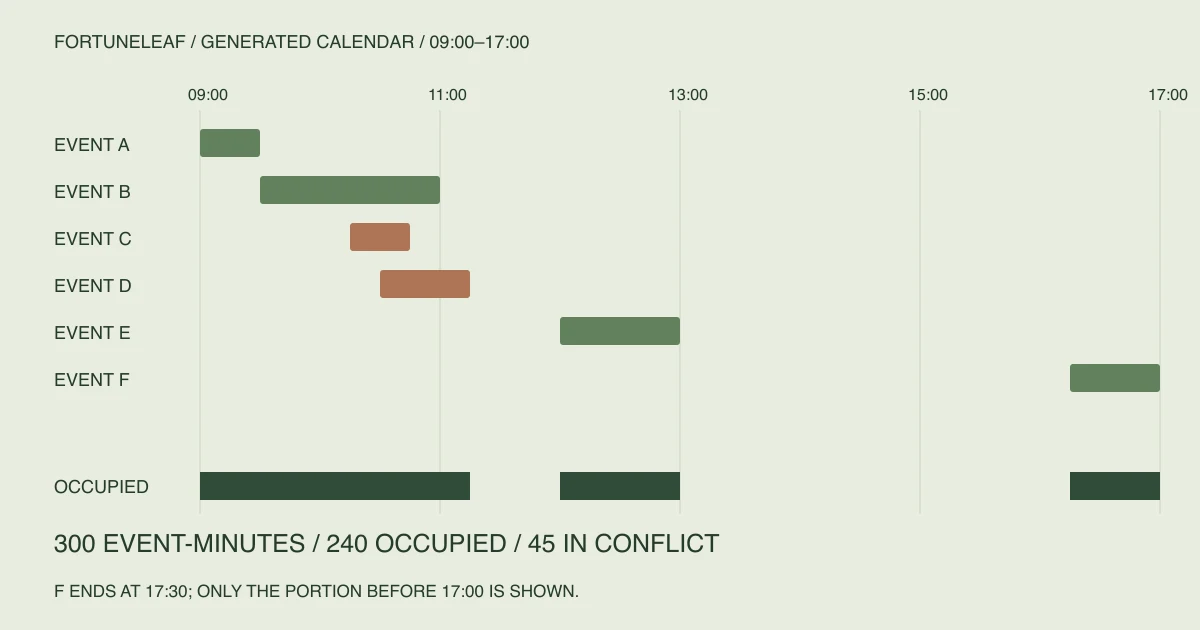
Adding event lengths can hide both overlap and the shape of the gaps. Follow six invented events, repair their collisions, and check midnight, adjacent endpoints and UTC offsets with published code.
Sunscreen planning has three decisions: choose appropriate protection, cover exposed skin, and renew it when the label and activity require. A high number on a bottle does not compensate for missed areas.
Use a decision record to avoid escalating an unknown stain through incompatible products, heat or repeated rubbing.
Match ten common tools to simple household jobs, check what you already own, and decide what to buy, borrow or leave to a professional.
A continuous two-hour block and two separate hours can support different work. We calculate repeated preparation, test the declared allocations and keep reduced tasks and unfinished work separate.
We read four official price pages, changed a public billing selector and separated observed terms from assumptions. The result is a method for comparing cash obligations, not a ranking of unrelated services.
Choose an appropriate method before assigning a day. Use a zone sheet that distinguishes routine cleaning from problems needing another response.
Choose a task you want to complete, test whether a resource supports it and keep a record of what you can do without assistance.
Compare captures for a defined use and check the actual model’s tools before applying a general camera tip.
We checked ten product pages and recalculated their unit rates. Net contents, drained weight, pack count and prepared food are different denominators; a lower number is not always a comparable price.
Turn a job description and your own records into accurate experience bullets, then check the exported file and submission requirements.
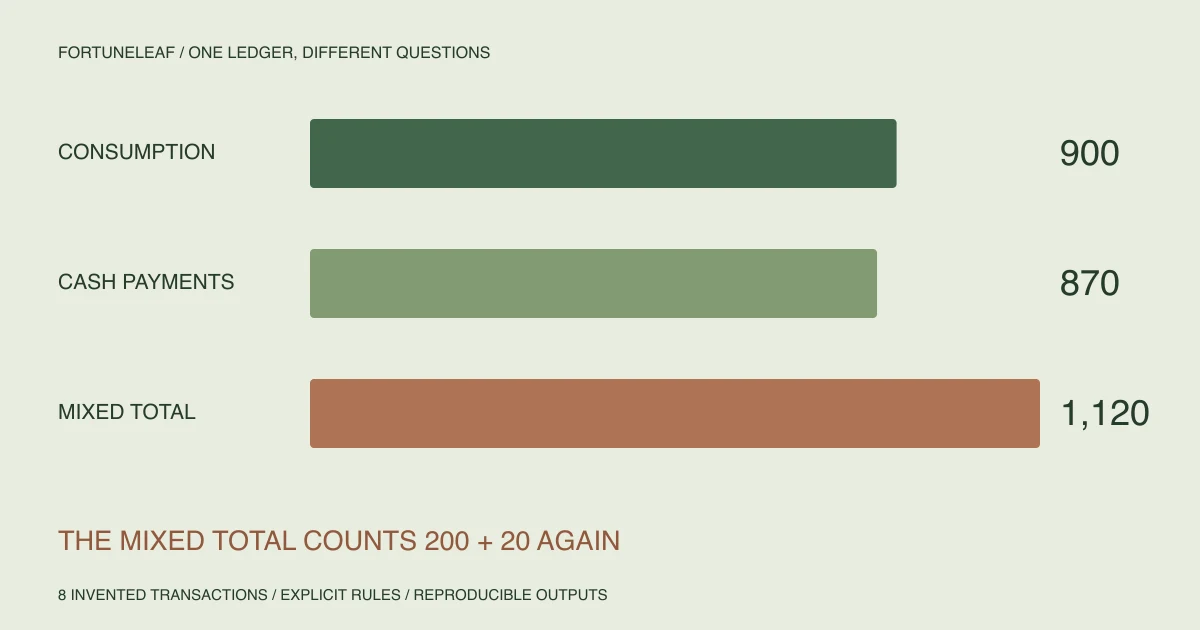
A transfer is counted as spending, a card purchase is counted again at payment, and the total grows. We reconcile an invented ledger across consumption, cash and card balances, with downloadable inputs and code.
Identify the plant and its conditions before choosing care, and distinguish an observation from a diagnosis.
Record the actual tea, amount, water and time instead of applying one temperature chart or caffeine assumption to every product.
Record dose, water, grind and technique, scale an illustrative ratio correctly and change one condition at a time.
Check outdoor conditions, indoor sources and equipment limits before choosing ventilation or filtration. Includes a household observation table and follow-up record.
Record the wash, bleach, drying and ironing instructions together. Resolve missing or conflicting information before treating a garment.